
Mighty Alps NZ
Like No Other
The Ultimates
The Ultimates;
The peak of wilderness experiences that NZ has to offer.
In this category you will find only the most remote of hunting, fishing and diving locations on offer. Stewart Island and Fiordland are the final frontiers of wilderness that NZ has. Difficult terrain, thick bush and unpredictable weather patterns dominate; These are also some of the highest rainfall areas in the southern hemisphere - All coming together with plentiful fish, birds and wild game to create the Ultimate in wilderness experiences.
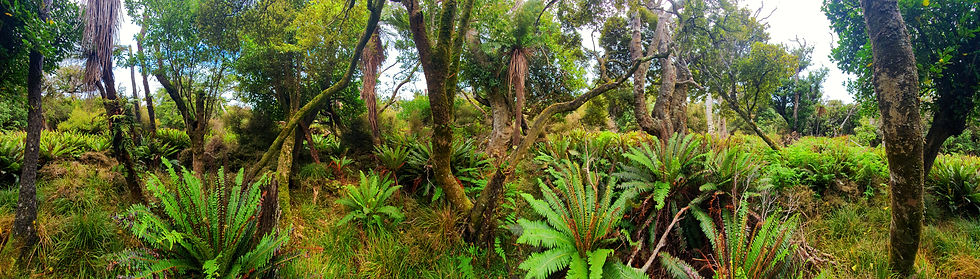
Stewart Island
Stewart Island is a hunter - gatherer's paradise! It's isolation, low resident population and geography make it one of the most abundant locations in the world for anglers and divers alike. Pair that with the introduced White-tail deer and you have yourselves a recipe for unforgettable adventures living off the land on one of the final stops before Antarctica.
What to expect
Guests can look forward to a full week of self-sufficient hunting, fishing, and diving in genuine isolated wilderness—much like a classic stay on a remote Alaskan island.
You'll be based in simple, permanent single-room cabins fitted with bunks, benches, a fireplace, and the essentials for comfortable off-grid living. This is honest, back-to-basics adventuring at its core.
Your group will be dropped off by boat at your designated area, and you're welcome to bring along plenty of gear, comforts, and personal items—so pack what you need without holding back.
Throughout the trip, your host(s) will stay right by your side, providing hands-on support with every aspect: from catching and preparing fish, to stalking deer, diving for seafood, and handling whatever the wilderness throws your way. It's all about practical guidance and making the most of the experience.


Specifics
Hunting
Stewart Island's premier draw for hunters is its thriving population of introduced White-tailed deer (often called "grey ghosts" or simply "the ghosts of Stewart Island"). These elusive animals live up to their nickname—spook easily, blend seamlessly into the thick bush, and demand exceptional patience, stealth, and persistence from any hunter hoping to succeed. A successful harvest is never guaranteed and remains a true test of skill. All deer harvested will be skinned and make excellent pelt trophies, regardless of sex.
As a rewarding secondary pursuit, especially after dark, hunters target the island's invasive Possums using .22 rifles with spotlights*. These nocturnal hunts yield excellent fur pelts, making the Possums a desirable bonus trophy while contributing to pest control efforts. Possums are also targeted with traps.
*Subject to additional permits*
Fishing
Stewart Island boasts legendary recreational fishing, renowned for its prolific waters and a wide variety of prime eating species—around a dozen highly desirable finfish that make for outstanding table fare. You'll never tire of catching your own fresh meals, especially when the quality rivals the world's best!
Common targets include iconic South Island favourites like Blue cod (the island's signature species, with firm, white, delicately flavoured flesh), along with Tarakihi, Gurnard, Trumpeter and others. Fish typically range from 3–20 lbs (1.5–10 kg), with most catches falling in the productive 5–8 lb bracket—perfect eating size.
Anglers target these fish from boats at various depths—often over reefs, drop-offs, and inshore sandy edges—using techniques like bottom fishing, jigging, or drifting. Depending on your trip's location around the island (e.g. sheltered inlets like Paterson Inlet or exposed coastal areas), there are also excellent land-based opportunities from beaches or off the rocks for species like Blue cod or Tarakihi in accessible shallows.
Trophy specimens, such as large Yellowtail kingfish are more seasonal, often appearing during warmer periods when they migrate into southern waters following baitfish and favourable temperatures, but are not commonplace.
Diving
Stewart Island stands out as a true paradise for shellfish divers and spear-fishers, teeming with abundant scallops, Blackfoot pāua (Abalone), and Crayfish (Rock lobster). The waters here offer exceptional numbers of these prized species, often easily accessible in the shallows.
Diving conditions are remarkable—many legal catches can be found in depths of less than 3 meters.
Divers also have prime opportunities to target sought-after species like Blue Moki and Butterfish (Greenbone), which are challenging for line fishermen but readily encountered and harvestable underwater. For safety and best results, it's recommended to have at least one experienced diver per group. Even if your group lacks divers, your guide can often collect shellfish for everyone to enjoy.
Diving gear (such as wetsuits, masks, fins, and snorkels) can be rented if arriving via Christchurch International Airport, with various providers available there before heading south to Stewart Island.
Important safety note: While Stewart Island provides an outstanding environment for divers, always exercise caution. The waters are home to other large marine animals, including New Zealand Fur Seals, Hooker's Sea Lions, and also Great White Sharks. These predators are present but not overly prolific or aggressive toward divers in most encounters—Fur Seals and Sea Lions may approach curiously, while shark sightings remain relatively uncommon for casual diving. Standard dive safety practices, awareness, and respect for the marine environment are essential.
Additional Note: Mighty Alps Nz staff are not registered diving guides and therefore diving is undertaken at the clients' own risk - Prior experience is required.
Camping, Cooking & Transport
Our accomodation on these trips are permanent wilderness cabins with basic comforts such as bunk beds, mattresses, a wood-fire, rain water collection, workbenches and stainless steel benches with sinks. True off grid adventuring! The units or 'blocks' as their often referred to are accessed by boat and therefore luggage capacity is generous and the group will have plenty of portable comforts such as shelters, gas cookers, solar panels/battery banks and more - It might be remote, but we sure keep comfortable!
Food for the first couple of days will be a mixture of fresh ingredients and homemade meals brought to the island with us. Then, once we're settled it will be mostly subsistence hunting/fishing for protein, paired with ingredients to form delicious and, most importantly, high energy meals to keep you on the move and enjoying yourselves for the duration of your trip.
Transport to the island involves a wildly scenic drive from either Christchurch (7.5 hours), Queenstown (3 hours) or Dunedin (2.75 hours) depending on the airport you choose to land in.
From there, we will take a ferry across Foveaux strait to Stewart island's only town, Oban. There our chartered water taxi will transfer our equipment onto their boat and drive us out to our block - Varying between 2 and 4 hour journey. Arriving on the island around midday, we will be on the island until noon on our final day, 7-10 days later.
